
What's Next?
You tell me

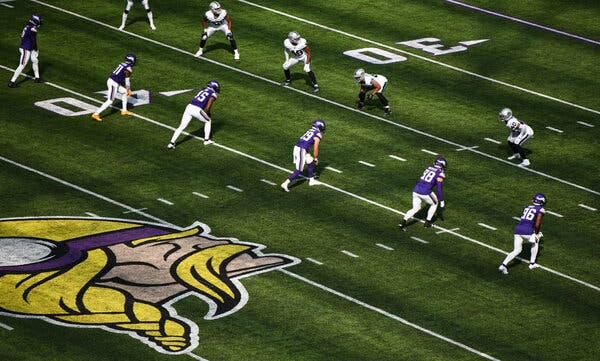
As I seek my next role in the NFL, one subject I’ve thought a lot about lately is the types of roles in front offices and how analytics departments may evolve in the future. Currently, most teams operate with a director and, give or take, two to three analysts. Some may have a data scientist, and others may have analytics assistants. Depending on the organization, teams will have analysts dedicated to a specific area of the game — player personnel or coaching. The latter is sometimes divided into one of the three phases or by position. Teams like the Ravens have a split department, with one side dedicated to personnel and the other to coaching, while most other clubs operate in an all-hands-on-deck fashion where analysts’ workflow depends on the calendar.
As buy-in grows among teams, I think we’ll see more opportunities for role specialization. I’m not certain NFL organizations will reach the headcount that MLB departments have, but I do think we’ll see analytics staffs grow over the next few years. MLB organizations have specialized roles dedicated to analyzing pitchers and others for hitters. They even have biomechanics groups within their R&D departments. I can imagine a forward-thinking NFL organization having an analyst dedicated solely to solving problems for pass rushers — a “trenches analyst”, while another analyst focuses on skill position players.
There is so much data to explore now with tracking technology, and most teams have still yet to do anything revolutionary with it because they lack people in their departments. That’s why teams often outsource and purchase products from vendors who work with tracking data to gain additional insight. However, it is my belief that teams will always place more value on work done in-house and use outside sources as a cross-check. Bringing in people to work with the data and build proprietary in-house metrics should always be valued — that’s how edges are gained.
The influx of data is just beginning. With Hawk-Eye’s system now being implemented in NFL stadiums, you’ll likely start to hear rumblings about things like player pose data in the next five to ten years. MLB’s Statcast currently uses Hawk-Eye to generate many of its metrics. Below, you’ll see an example of player pose data used to generate Swing Path/Attack Angle metrics.
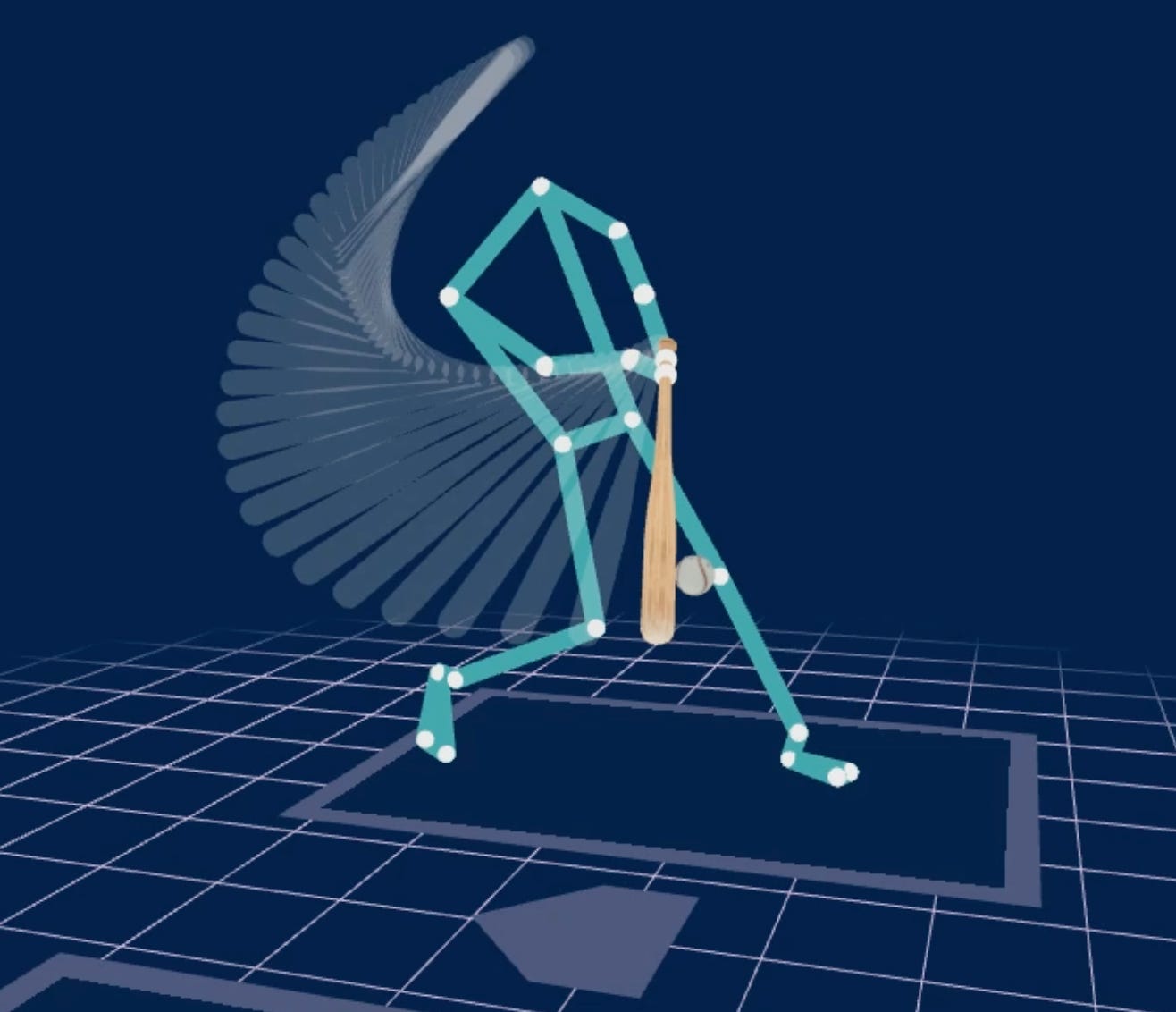
Football is a messier game than baseball. It’s difficult to work with x,y tracking data on the interior defensive line or offensive line — let alone data points capturing players’ bodies and limbs. But in the future, we’ll be able to quickly answer questions like what an offense’s run/pass splits are based on the left tackle’s stance. Or we’ll be able to calculate the bend angle of a pass rusher’s ankle flexion when flattening their path to the quarterback. Kicking might be the easiest area to isolate, and we’ll be able to see which kickers have the lowest trajectories as a way to prepare our field goal block unit. It will be difficult to get the data into a usable place to achieve this, but it will be possible one day.
One role teams can add immediately is a pro scouting analyst. Teams may say they already employ someone who does this, but I think the responsibilities of the role can be taken further. To me, a pro scouting analyst would be an analytics role within the pro scouting department. They would work with pro scouts on advance reports, delivering data on future opponents’ tendencies while also mining internally created metrics for leads on players to acquire through waivers, trade, or free agency. I guarantee this person would make a pro department’s processes much more efficient. Despite having to evaluate an opponent’s entire roster and search for schematic tells, pro departments are often the smallest departments, as so many resources are used on the draft. And whatever predictive metrics are created for the pro side could be built out for the college side — assuming the club has access to a computer vision tracking data vendor.
What excites me most about this shift is that analytics in football is still in its early chapters. There are problems waiting to be solved, inefficiencies waiting to be uncovered, and new ways to support decision-makers across personnel, coaching, and scouting. I’m eager to be part of a front office that not only embraces this future but builds it — a place where curiosity is valued, collaboration drives solutions, and innovation is tied directly to winning.